

Top Search and Fetch APIs for Building AI Agents in 2026: Tools, Tradeoffs, and Free Tiers

The story

Discover the top search and fetch APIs for AI agents in 2026. Compare tools like TinyFish, Tavily, and Firecrawl based on latency, token efficiency, and free tiers to optimize your agent's web retrieval. The post Top Search and Fetch APIs for Building AI Agents in 2026: Tools, Tradeoffs, and Free Tiers appeared first on MarkTechPost .
From the source
News Hub News Hub Premium Content Read our exclusive articles Facebook Instagram X Home Open Source/Weights AI Agents Tutorials Voice AI Robotics Promote with us News Hub Home Open Source/Weights AI Agents Tutorials Voice AI Robotics Promote with us Home Editors Pick Agentic AI Top Search and Fetch APIs for Building AI Agents in 2026: Tools,... Editors Pick Agentic AI AI Agents Technology AI Shorts Artificial Intelligence Applications Language Model Large Language Model New Releases Software Engineering Staff Tech News Web search and content retrieval have quietly become the most critical infrastructure decisions in AI agent development. An agent without reliable access to live web data is effectively operating on stale knowledge — a hard limitation for any production deployment handling r
This article covers the leading search and fetch APIs based on evaluations across output format, agent-native design, token efficiency, free tier generosity, latency, and framework integrations.
TinyFish is an important entrant in this space and among the most directly agent-native of the group. Its Search and Fetch endpoints are free with generous rate limits — one API key, no credit card. The free plan includes Search at 5 requests/minute and Fetch at 25 requests/minute. Search operates at api.search.tinyfish.ai, returning rank-stable structured JSON tuned for agent retrieval rather than human browsing. TinyFish states p50 Search latency under 0.5 seconds — fast enough to sit inside an agent s tool loop without degrading the user experience. Fetch operates at api.fetch.tinyfish.ai, running a real full-browser render on any URL — including JavaScript-heavy SPAs, dynamic content, and anti-bot pages — and returning clean markdown, JSON, or HTML. Failed URLs are free.
Who and what
Key names and topics in this story: Search, Fetch APIs, Building AI Agents, Tools.
Where to follow next
- Read the full piece at www.marktechpost.com
- More from our AI & prompts coverage

Related stories

A blueprint for using AI to strengthen democracy
Every few centuries, changes in how information moves reshape how societies govern themselves. The printing press spread vernacular literacy, helping give rise to the Reformation and, eventually, representative government. The telegraph made it possible to administer vast nations
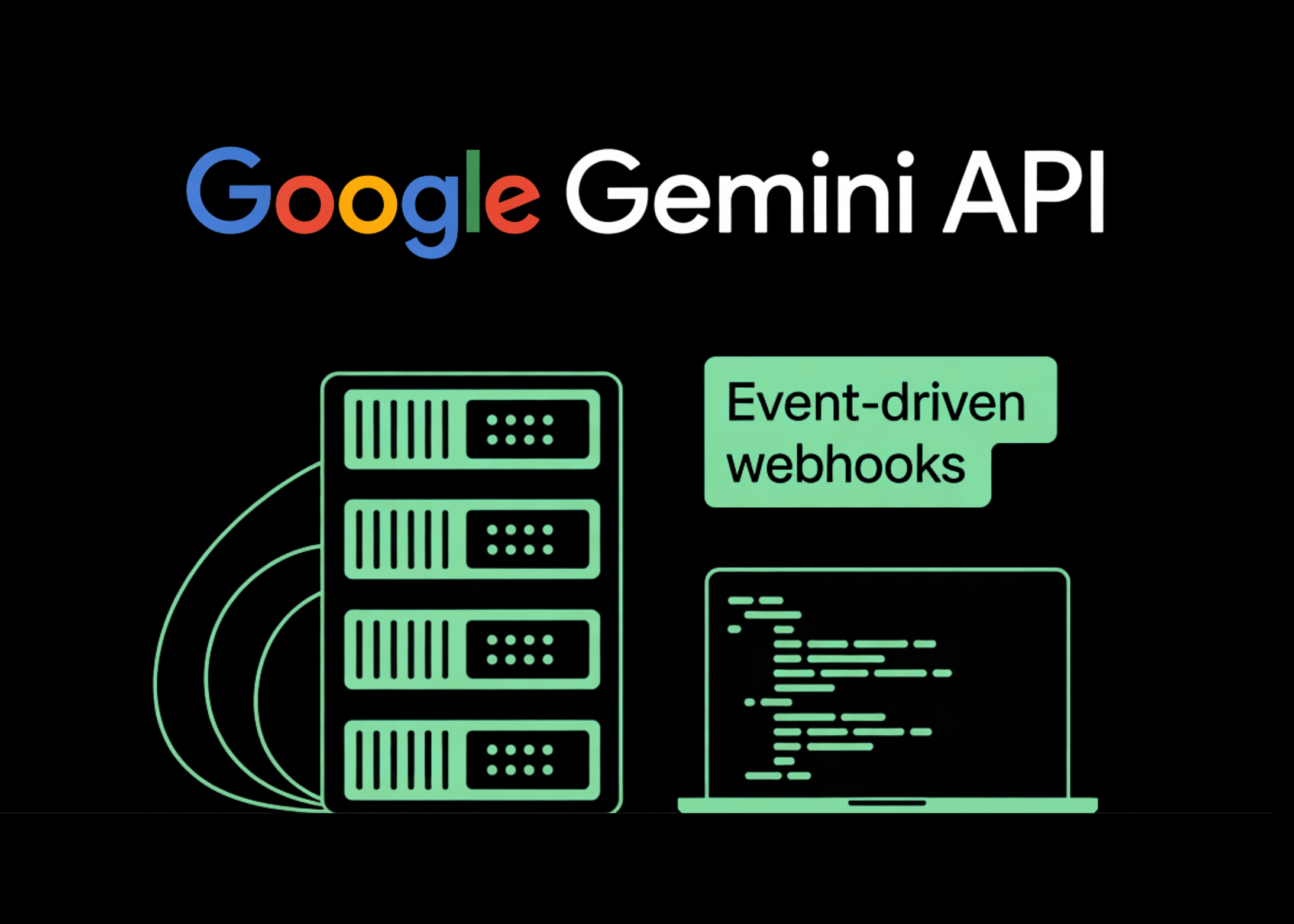
Google Adds Event-Driven Webhooks to the Gemini API, Eliminating the Need for Polling in Long-Running AI Jobs
A push-based notification system for Batch API, Deep Research, and video generation tasks arrives with built-in security, retry guarantees, and two configuration modes. The post Google Adds Event-Driven Webhooks to the Gemini API, Eliminating the Need for Polling in Long-Running

Why Gradient Descent Zigzags and How Momentum Fixes It
How momentum optimizes gradient descent by dampening oscillations and accelerating convergence on complex The post Why Gradient Descent Zigzags and How Momentum Fixes It appeared first on MarkTechPost .

A Coding Guide to Survey Bias Correction Using Facebook Research Balance with IPW CBPS Ranking and Post Stratification Methods
In this tutorial, we walk through a complete, end-to-end workflow for correcting bias in survey data using the balance library. We simulate a realistic population, deliberately introduce sampling bias, and then apply multiple re-weighting techniques to recover unbiased estimates.