

What (un)exactly do you mean by semantic search?

The story
Ryan welcomes Bryan O’Grady, Head of Field Research and Solutions Architecture at Qdrant, to discuss the differences between traditional text search engines powered by Lucene and modern vector databases, when vector search’s exact-match needs work for things like logs and security analytics and when semantic search works for user-facing discovery and non-exact results, and how Qdrant is growing in
From the source
Qdrant offers high-performance vector search at scale with any deployment model.
Where to follow next
- Read the full piece at stackoverflow.blog
- More from our AI & prompts coverage
Related stories
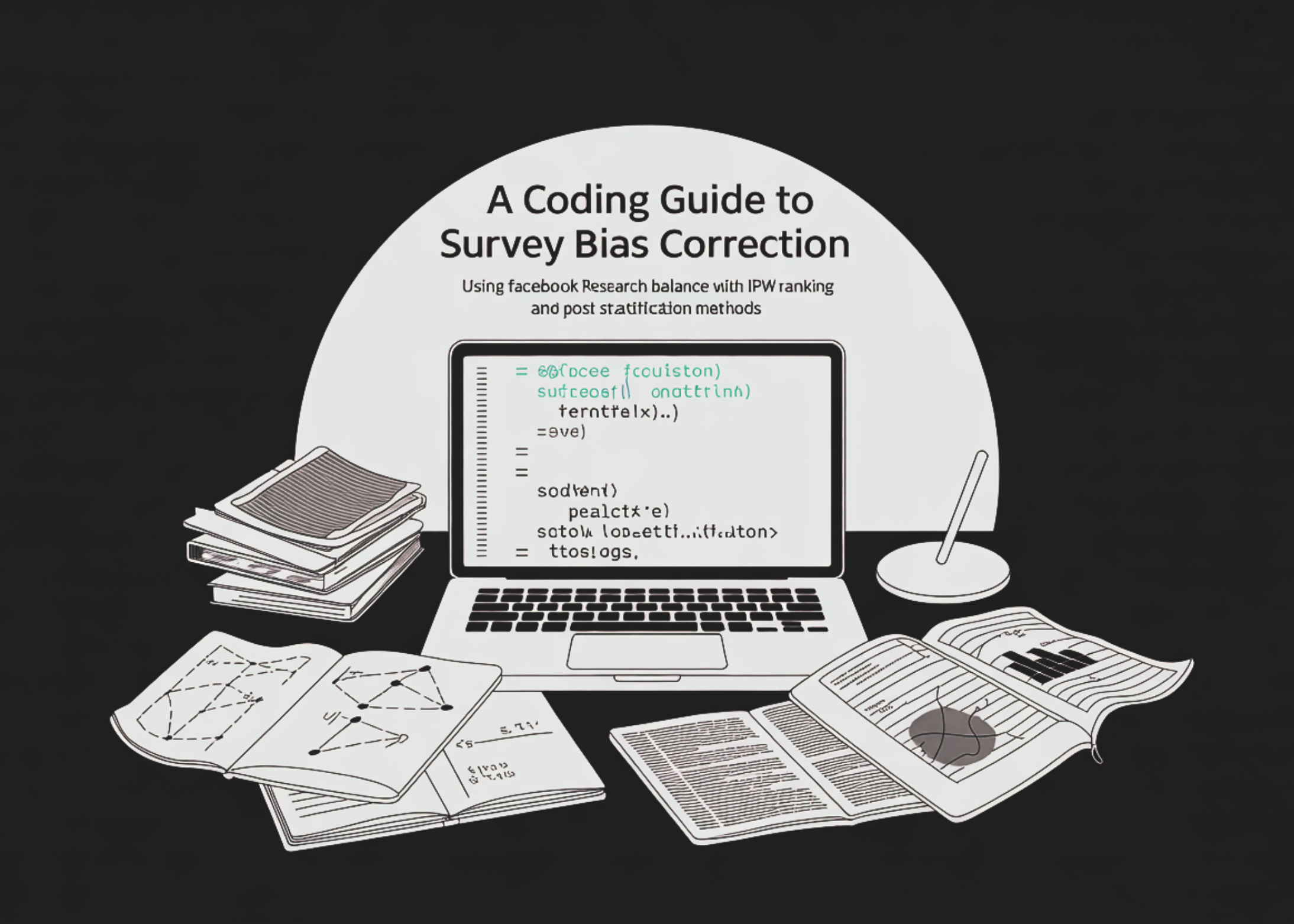
A Coding Guide to Survey Bias Correction Using Facebook Research Balance with IPW CBPS Ranking and Post Stratification Methods
In this tutorial, we walk through a complete, end-to-end workflow for correcting bias in survey data using the balance library. We simulate a realistic population, deliberately introduce sampling bias, and then apply multiple re-weighting techniques to recover unbiased estimates.

As workers worry about AI, Nvidia s Jensen Huang says AI is creating an enormous number of jobs
The Nvidia CEO seems to feel that claims of AI's job-killing potential have been greatly exaggerated.

Week one of the Musk v. Altman trial: What it was like in the room
This story originally appeared in The Algorithm, our weekly newsletter on AI. To get stories like this in your inbox first, sign up here. Two of the most powerful people in AI—Sam Altman and Elon Musk—began their face-off in court in Oakland, California, last week. Musk is suing

Influential study touting ChatGPT in education retracted over red flags
The retracted study on ChatGPT in education was already cited hundreds of times.