

Google unveils screenless Fitbit Air and Google Health app to replace Fitbit
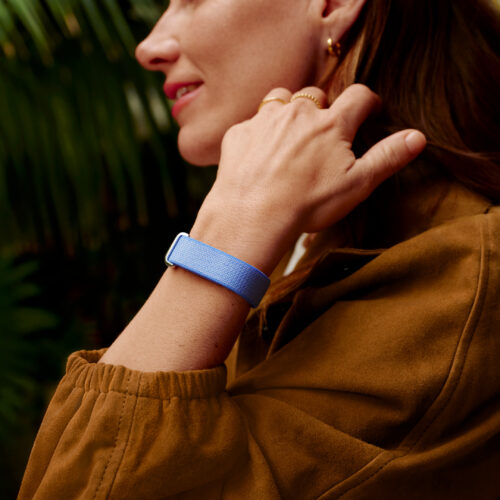
The story
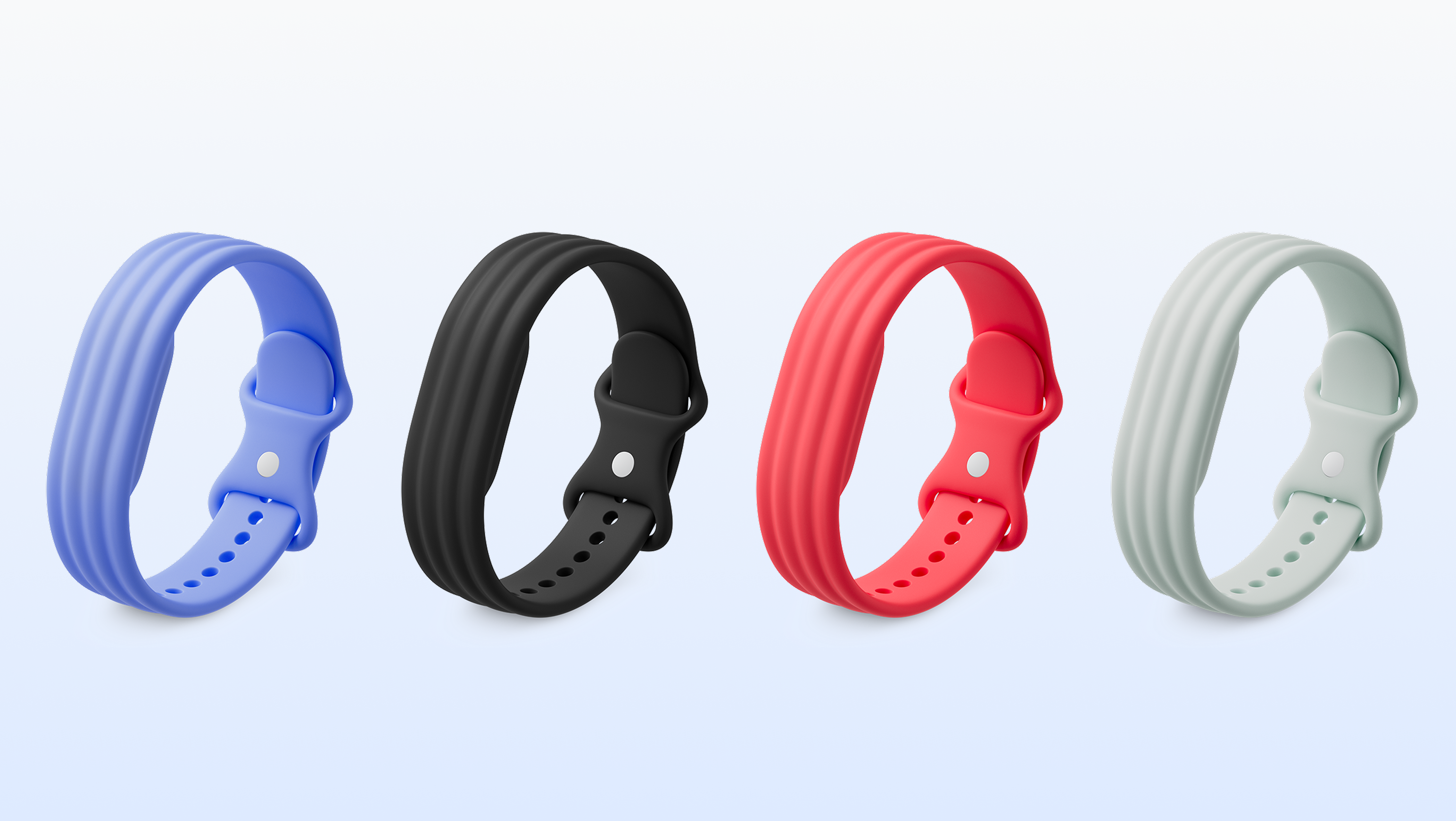
The $100 Fitbit Air is available for preorder today.
From the source
Text settings Story text Size Small Standard Large Width Standard Wide Links Standard Orange Subscribers only Learn more Minimize to nav Wearables have really come full circle. The early Fitbits didn’t have screens, but the move to smartwatches put a screen on everyone’s wrist. Now, devices like Whoop and Hume are designed as data trackers first and foremost without so much as a clock. Google’s newest wearable jumps on that trend: The Fitbit Air doesn’t have a screen, but it does have a suite of health sensors that pipe data into the new Google Health app. And if you want, Google has a new AI-powered health coach in the app ready to tell you what that data means (maybe).
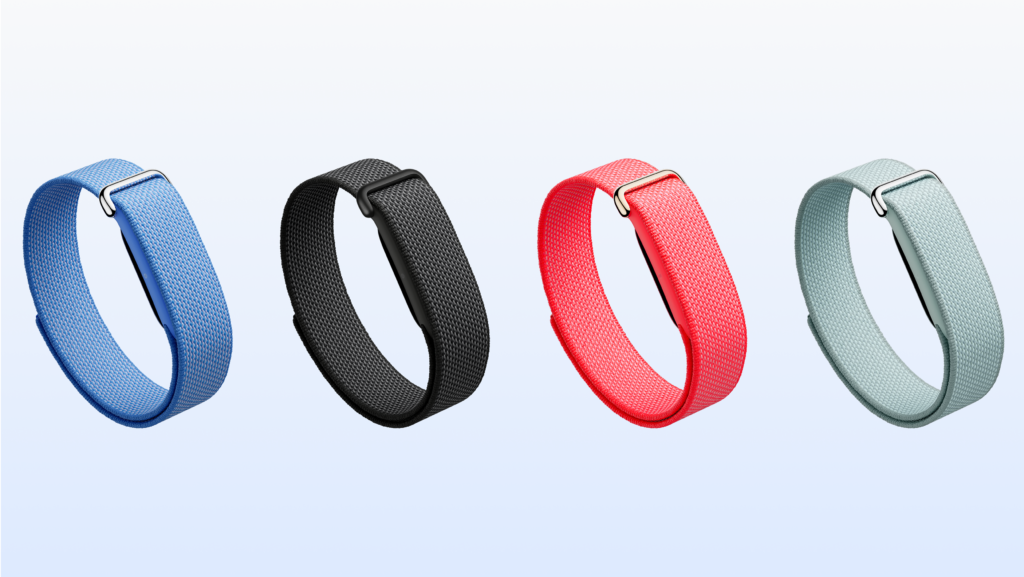
The Fitbit Air itself is a small plastic puck about 1.4 inches long and 0.7 inches wide. It slots into various bands that hold the bottom-mounted sensors against your wrist. There’s no display pointing upward, so the entire device is covered by the fabric or plastic of the band. It’s a streamlined and potentially stylish look—in uncharacteristic fashion, Google has plenty of colors and style options available, including a special-edition Steph Curry version. You may have heard chatter about Curry being seen teasing a new screenless Fitbit, and this is it.
Active bands. Google Performance Loop bands. Google Performance Loop bands. Google Elevated Modern bands. Google Elevated Modern bands. Google Performance Loop bands. Google Elevated Modern bands. Google Smartwatches never quite became a must-have device—plenty of people have them, but we don’t all wear them all the time because they need to be charged often and aren’t always very comfortable. The screenless Fitbit Air doesn’t have those issues. Google says it lasts about a week on a charge, and it does that while collecting continuous health data. It can even store a day of data without being connected to your phone.
Who and what
Key names and topics in this story: Google, Fitbit Air, Google Health, Fitbit.
Where to follow next
- Read the full piece at arstechnica.com
- More from our AI & prompts coverage
Related stories
Course correction: Google to link more sources in AI Overviews
Google's AI search will start citing its sources in several new ways.

How to Build a Single-Cell RNA-seq Analysis Pipeline with Scanpy for PBMC Clustering, Annotation, and Trajectory Discovery
In this tutorial, we perform an advanced single-cell RNA-seq analysis workflow using Scanpy on the PBMC-3k benchmark dataset. We start by loading the dataset, inspecting its structure, and applying quality control checks to evaluate gene counts, total counts, mitochondrial conten

EMO: Pretraining mixture of experts for emergent modularity
A Blog post by Ai2 on Hugging Face

Meet GitHub Spec-Kit: An Open Source Toolkit for Spec-Driven Development with AI Coding Agents
If you have spent time using AI coding agents — GitHub Copilot, Claude Code, Gemini CLI — you have probably run into this situation: you describe what you want, the agent generates a block of code that looks correct, compiles, and then subtly misses the actual intent. This vibe-c